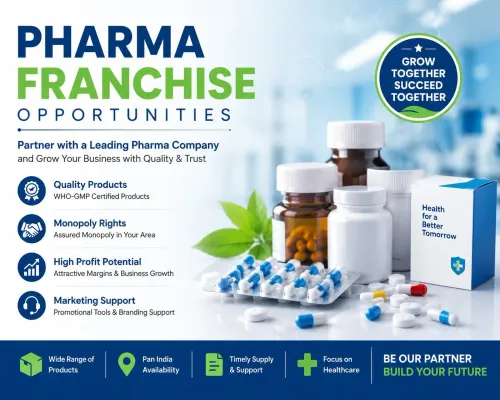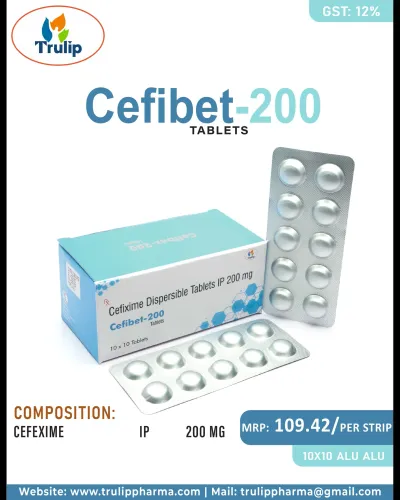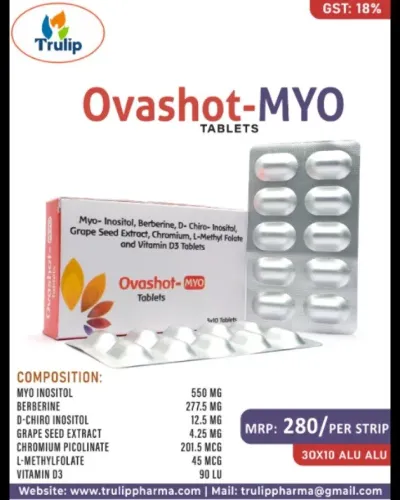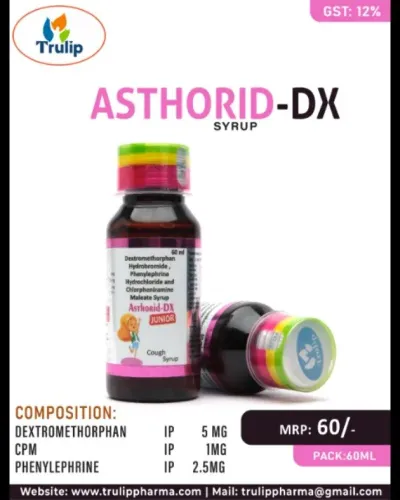

A monopoly PCD pharma franchise is not automatically a guaranteed monopoly: its value depends on the written territory, product scope, compliance duties, stock economics, and remedies available when exclusivity is breached. By the end, you will be able to compare franchise offers, verify the documents and licences behind them, calculate realistic working-capital needs, and identify terms to secure before placing an order.
Key takeaways
- Confirm exclusive territory rights in a signed agreement.
- Ask for the supplier’s Form 20B and Form 21B licence copies.
- Calculate freight, credit, expiry losses and promotional costs before estimating profit.
- Verify batch details, product schedules, payment terms and return policies before ordering.
What a Monopoly PCD Pharma Franchise Actually Gives You
The monopoly PCD pharma franchise definition is a contractual arrangement in which a pharmaceutical company gives a PCD partner exclusive rights to promote and sell specified products within a defined territory.
“Monopoly” is not a statutory monopoly; it usually means the company promises not to appoint another partner for those products and that territory during the agreed term.
The practical difference between common pharmaceutical sales arrangements is:
- Ordinary PCD franchise: You receive products and promotion support, but exclusivity may be absent or limited.
- PCD franchise vs distributorship: A PCD partner usually develops demand in an assigned territory, while a distributor primarily purchases, supplies, and resells products to retailers or other trade buyers.
- Stockist appointment: A stockist appointment focuses on holding inventory and supplying a company’s network; it does not automatically grant territory-wide promotional exclusivity.
- Wholesale arrangement: You buy and resell medicines under commercial terms, without necessarily receiving brand-building support or protected territory rights.
Your agreement must identify the district, city, pin codes, product list, contract period, renewal terms, minimum purchase obligations, and excluded accounts such as hospitals or institutions. It must also state whether the company’s own sales team or existing stockists can sell there.
A PCD partner does not become the manufacturer by selling branded medicines. Check the label for the actual manufacturing site and licence holder, and obtain the required wholesale drug-sale licence; a franchise letter or GST registration cannot replace it.
How the Franchise Works from Enquiry to Repeat Orders
A signed appointment letter does not create an operating medicine business. The PCD pharma franchise process starts with an enquiry, followed by company screening, territory confirmation, product selection, licence checks, and a written agreement that matches the commercial promise.
- Submit your target district, customer base, licence details, and expected opening order for review.
- Confirm available territory rights and check whether another distributor already serves the same area.
- Select products by therapeutic category, prescription schedule, expected demand, pack size, and expiry period.
- Sign the agreement only after checking pricing, payment terms, promotional support, minimum purchases, renewal, and termination.
- Place the opening order, receive a tax invoice and batch details, and verify the consignment before accepting it.
- Promote the approved products to pharmacies, clinics, and eligible institutions while following prescription-sale rules.
- Track sales, collections, stock movement, and near-expiry inventory before placing repeat orders.
The exclusivity clause must define district exclusivity precisely rather than merely naming a state or district. It should identify the map or pin codes covered, the product line exclusivity granted, contract term, renewal conditions, minimum purchase obligations, and the remedy if the supplier appoints another partner.
Ask whether the supplier can sell directly, supply hospitals or government tenders, use sub-distributors, transfer stock between territories, or retain existing accounts. The agreement must also state whether exclusivity covers online sales, institutional customers, and the supplier’s own sales force. Otherwise, nominal monopoly rights can leave you competing against the same company.
Licences, Product Schedules, and Compliance Duties
Your first compliance decision is obtaining the appropriate wholesale drug licence from your state or Union Territory drug-control authority. A franchise appointment letter, company registration, or GST registration does not permit you to sell medicines.
You are a seller, not the manufacturer; verify the manufacturing site, licence holder, and manufacturing, loan-licence, or contract-manufacturing documents shown on the label and supplied by the company.
| Schedule | Control you must apply |
|---|---|
| Schedule H | Sell only against a prescription and keep purchase and sale invoices traceable |
| Schedule H1 | Record each sale in the required register, including prescriber and patient details, and retain records for the prescribed period |
| Schedule X | Apply the stricter prescription, storage, and record controls; use the specific wholesale licence category where required |
Keep these operating documents and controls ready:
- GST registration, PAN, entity or partnership documents, premises ownership or rent proof, and the wholesale drug licence.
- Signed franchise agreement, approved product list, supplier invoices, batch numbers, expiry dates, and manufacturer licence copies.
- A clean, secure storage area with racks, pest control, restricted access, and a refrigerator maintained at 2°C to 8°C when the label requires it; log temperatures daily.
- Separate expired, damaged, recalled, and saleable stock. Use FEFO—first expiry, first out—and preserve purchase, sale, return, and recall records.
Check MRP against the NPPA ceiling price where the medicine falls under DPCO schedules or the National List of Essential Medicines. Trademark permission covers brand use; it does not replace drug-law permission to sell or distribute.
How to Calculate the Real Cost and Profitability
A 30% trade margin is not a 30% profit. Assess the offer from the cash you spend, the cash you recover, and the stock you cannot sell.
1. Calculate landed cost per unit: invoice price plus freight, loading, insurance, applicable non-creditable tax, and any bank or handling charges, less confirmed discounts. Ask whether the quoted percentage is calculated on PTR, PTS, or MRP; the same “margin” produces different returns.
2. Treat the stated PCD pharma franchise cost as the opening cash requirement, not just the first invoice. Add licence expenses, storage, promotion, samples, staff, deposits, and working capital for pharma distribution. Include two or three months of purchases and operating costs if retailers or clinics pay after delivery.
3. Measure collections separately from sales. A ₹1,00,000 sale collected after 60 days needs financing, while a late or failed collection becomes a direct loss. Record credit limits, collection days, discounts, retailer incentives, damaged goods, and freight on replacements.
4. Price expiry risk before ordering. Require the agreement to state minimum shelf life at dispatch, return window, claim deadline, treatment of opened cartons, replacement or credit note, and freight responsibility. Unsaleable stock can erase an attractive margin.
5. Calculate breakeven using contribution per unit: selling price minus landed cost, selling expenses, discounts, and expected expiry loss. Divide monthly fixed costs by that contribution. Compare the result with realistic monthly collections, and check MRP against any NPPA ceiling price for the product before committing inventory.
What to Verify Before Signing or Ordering
Do not sign until the supplier’s promises appear in documents you can keep, compare, and enforce. A quotation alone cannot prove exclusivity, product quality, or a usable margin.
| Document category | Obtain | Check for |
|---|---|---|
| Commercial | PCD franchise agreement, quotation, pro forma invoice, payment terms | Product-wise rates, GST, freight, minimum order, credit period, targets, and damages for breach |
| Territory | Signed territory schedule or map | District, city, pin codes, product range, term, renewal, reserved hospitals, and whether another distributor or company sales team is excluded |
| Quality | Manufacturing licence, site address, Schedule M details, WHO-GMP verification | The actual licence holder and manufacturing site named on each label, not merely a marketing claim |
| Batch control | Batch documentation and certificate of analysis for offered products | Batch number, manufacture and expiry dates, test results, release approval, retained-sample process, and traceable records |
| Risk handling | Expiry and return policy, complaint procedure, recall procedure | Minimum shelf life at dispatch, return window, damaged-carton rules, freight payment, credit-note or replacement treatment, and claim deadline |
Ask for written confirmation that the supplier may not appoint another partner inside your territory while the agreement remains active. Define what happens if you miss a minimum purchase target, and obtain the termination notice period.
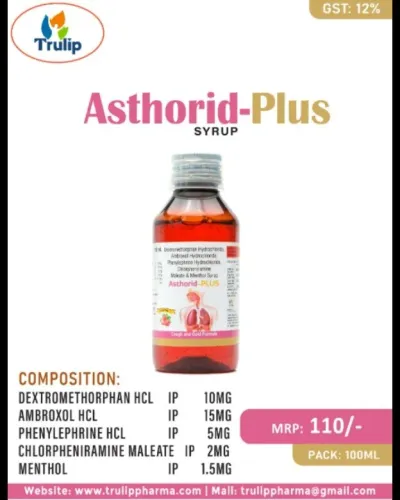
If Trulip Pharma is the proposed supplier, request these records for the exact products and manufacturing sites in your quotation, rather than accepting a company-wide certificate.
Compare the proposed MRP and pack size with the NPPA ceiling price where the medicine falls under DPCO schedules. A printed trade margin is not profit if regulated pricing, expiry losses, or uncollectable credit removes it.
Frequently asked questions
What does a monopoly PCD pharma franchise give you?
It gives you contractual rights to promote and sell specified pharmaceutical products within a defined territory, subject to the agreement’s terms.
What licences and compliance documents should you verify?
Request copies of the company’s Form 20B and Form 21B drug licences, product details, invoices and applicable schedule information before ordering.
How do you calculate the real cost of a monopoly PCD franchise?
Include product purchases, freight, licences, sales staff, promotional materials, credit costs, expiry losses and taxes before comparing revenue with total spending.
What should you check before signing or placing an order?
Check territory exclusivity, product availability, minimum order quantities, payment terms, batch documentation, expiry policy, replacement rules and dispute clauses.