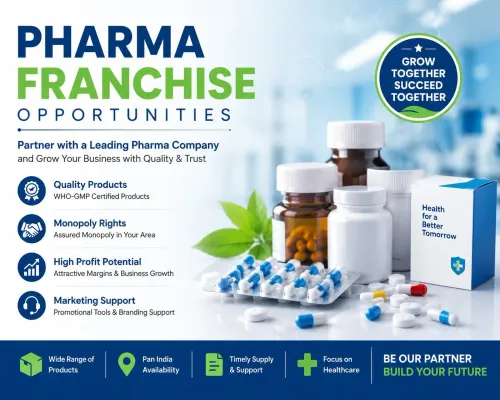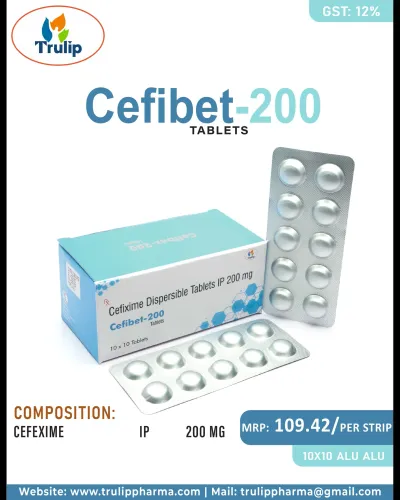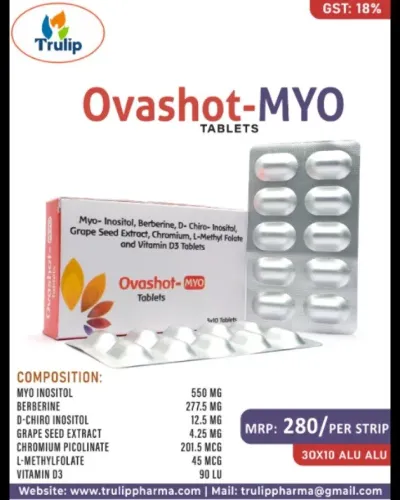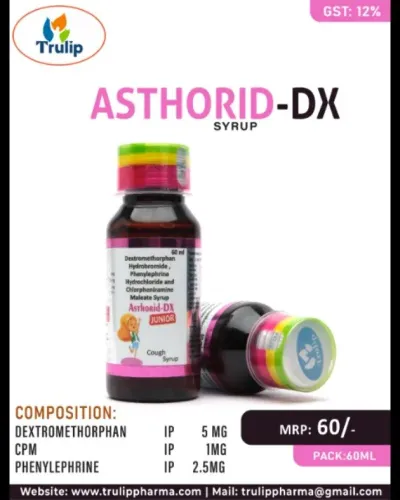
The best pharma franchise is not the supplier with the longest product list or the lowest quoted rate. It is the arrangement that fits your territory, therapeutic focus, working capital, compliance capacity and ability to move stock; the framework below lets you test that fit before signing or placing a large opening order.
Key takeaways
- Match the franchise to your prescribers, sales channels and therapeutic focus.
- Calculate landed cost, including freight, taxes, discounts and damaged-stock risk.
- Ask for Form 20B, GST, manufacturing and product documents before ordering.
- Test delivery performance with a staged order before committing your territory.
Define the Right Fit Before Comparing Suppliers
Choose a PCD pharma franchise for territory fit, not catalogue size. The best pharma franchise matches your prescribers, distribution reach, working capital and therapeutic focus. Decide whether you sell to retailers, clinics, hospitals or several channels, and whether your model depends on exclusive rights or a broad portfolio.
1. Map local demand: identify common conditions, prescriber specialties, competing brands, patient price sensitivity and cold-chain or short-expiry constraints. Reject products you cannot rotate.
2. Put commercial fit in writing. Define the territory, product list, permitted channels, agreement duration, minimum purchases, treatment of existing customers, conditions for withdrawing exclusivity and stock handling after termination.
3. Verify the exact manufacturing licence before reviewing the catalogue. Confirm its number, validity, approved products, dosage form, strength and manufacturing site with the State Licensing Authority; a tablet licence does not authorise injectables or ophthalmics. Check each brand against the applicable NPPA ceiling-price list and DPCO requirements.
4. Qualify the partner in stages: review licences and quality documents, inspect the relevant site when justified, place a controlled opening order, then check delivered packs, batch documents, fill rate, expiry performance and complaint response.
Require written control over labels, package inserts and promotional claims. The agreement must assign responsibility for product complaints, adverse-drug-reaction reports and recalls; otherwise, your distributor business carries patient-safety duties without clear accountability.
Compare the Commercial Terms Using Landed Cost
Compare every pharma franchise quote by landed cost, not invoice price alone. Add freight, GST and other taxes, temperature-controlled transport, breakage, promotional purchases, credit-period cost and expiry replacement to the supplier’s price. Divide the total cash outlay by saleable units, then compare the resulting cost with the expected trade margin.
| Measure | Quote A | Quote B |
|---|---|---|
| Landed cost per saleable unit | Invoice price plus delivery, taxes and losses | Invoice price plus delivery, taxes and losses |
| Minimum order quantity | Cash tied up and likely expiry exposure | Cash tied up and likely expiry exposure |
| Trade margin | Margin after the applicable MRP | Margin after the applicable MRP |
| Credit period | Days before payment is due | Days before payment is due |
| Expiry replacement | Credit note or physical replacement | Credit note or physical replacement |
Check each brand against the applicable Drug Price Control Order framework, NPPA notification and ceiling-price list. A large stated margin disappears when the proposed MRP, trade margin or price revision conflicts with the permitted price.
Read the contract for terms that change your risk:
- Set the accepted remaining shelf life at dispatch, near-expiry notice period, return-freight responsibility and evidence required for expiry replacement.
- Define territory, product list, channel restrictions, duration, minimum purchase obligations and existing-customer treatment. State when exclusivity can be withdrawn and how unsold stock is handled after termination.
- Require written responsibility for complaints, suspected adverse-drug-reaction reporting and recall decisions. Also approve labels and promotional claims before use; they must show manufacturer details, licence information, batch and expiry data, storage conditions and warnings.
Verify Licences, Product Documents and Quality Claims
Check the manufacturer’s exact manufacturing licence before reviewing its catalogue. Confirm the licence number, validity, manufacturing site, dosage form and strength with the issuing State Licensing Authority. A tablet licence does not authorise production of injectables, ophthalmic products, biologics or other categories.
| Claim | Document or check | What it proves |
|---|---|---|
| WHO-GMP | Current certificate plus the applicable GMP inspection status for the named site | The site has been assessed against medicine-manufacturing GMP requirements; the logo alone proves nothing |
| Product approvals | Approval or marketing-authorisation details for each product, composition and strength | The product is authorised for manufacture and marketing in the stated market |
| Batch quality | Batch-specific certificate of analysis matched to the pack’s batch number | That batch met its stated specification; it does not guarantee every future batch |
| ISO 9001 | Certificate showing the legal entity, scope and validity | A broad quality-management system, not medicine-specific GMP compliance |
Request the approved label, package insert, carton artwork and promotional copy. Check that each shows the manufacturer, licence details, batch number, manufacturing date, expiry date, storage conditions and warnings. Reject promotional claims that do not appear in the approved product information.
Before a large opening order, qualify the partner in stages:
- Verify licences, product approvals and quality documents.
- Audit the relevant manufacturing site when the product risk or order size justifies it.
- Place a controlled initial order and match packs with invoices and certificates of analysis.
- Put complaint investigation, adverse-drug-reaction reporting and recall decisions in writing.
A missing pharmacovigilance procedure leaves patient-safety responsibility undefined. A missing recall procedure leaves you managing the consequences alone.
Test Supply Performance and Define Operational Responsibility
Before placing a large opening order, use a controlled trial to test whether the partner can deliver reliably. Compare the requested quantity with the delivered quantity to calculate fill rate, record dispatch time from confirmed order to shipment, and inspect cartons, labels, batch numbers and invoices on arrival.
Set written service levels for:
- Minimum fill rate and acceptable dispatch time
- Order confirmation, shortage notification and back-order handling
- Remaining shelf life at dispatch and advance notice for near-expiry stock
- Physical expiry replacement or credit note, return freight and required evidence
The agreement must assign responsibility for receiving and investigating product complaints, reporting suspected adverse drug reactions, and deciding on recalls. A partner without a documented pharmacovigilance and recall procedure leaves you carrying patient-safety duties without clear accountability.
For temperature-sensitive products, request the labelled temperature range, transport qualification, temperature-monitoring records and excursion-handling procedure. A warehouse log does not prove that stock stayed within limits during loading, transit, delivery or temporary storage.
Match each batch-specific certificate of analysis to the pack’s batch number and test specification. Treat it as a release document, then confirm that relevant tests, such as assay, dissolution, impurities, microbial limits or sterility, suit the dosage form.
Review fill rate, dispatch time, complaint response, temperature records and expiry performance across several orders before expanding the territory. Repeated failures justify withholding further orders until the partner documents corrective action.
Use a Staged Qualification Before Committing Your Territory
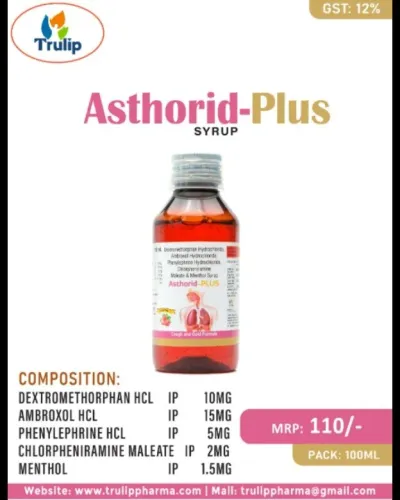
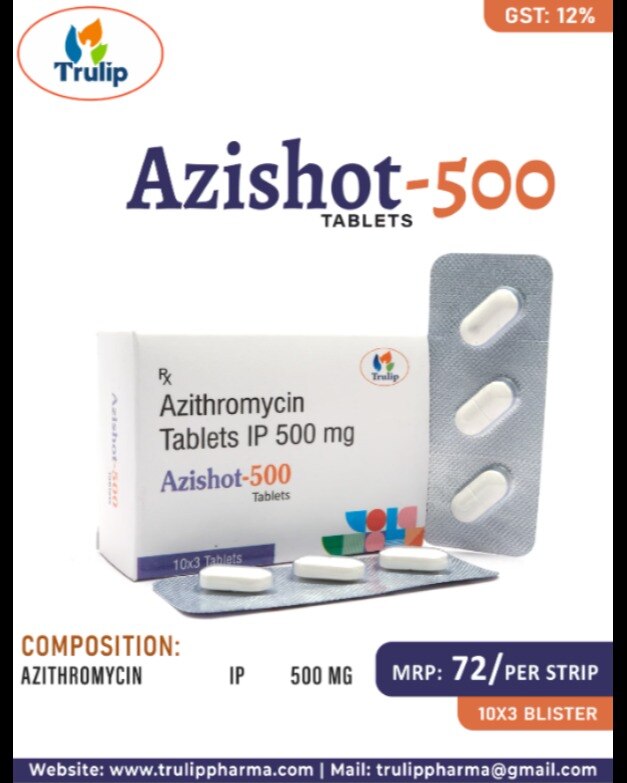
Treat partner selection as a set of go/no-go gates, not a catalogue comparison. A supplier evaluation for a company such as Trulip Pharma should end with evidence that the products, paperwork and territory terms fit your business.
1. Request the exact manufacturing licence, licence number, validity and approved site. Match the dosage form and strength to your proposed products; tablet authorisation does not cover injectables, ophthalmics or biologics. Confirm the details with the State Licensing Authority.
2. Check each brand’s commercial restrictions. Compare the proposed MRP and trade margin with the applicable NPPA ceiling-price notification, then record minimum orders, credit terms, stock availability and expiry replacement. Specify accepted shelf life, notice for near-expiry stock, replacement by goods or credit note, return freight and required proof.
3. Inspect the manufacturing site or commission an independent audit when the product risk, order value or quality history justifies it. Ask for batch records, certificates of analysis and the GST invoice format, and compare the manufacturer name, batch number, manufacturing date and expiry date on delivered cartons.
4. Place a controlled pilot order before seeking a large territory. Measure fill rate, delivery time, remaining shelf life, invoice accuracy, damaged packs and responses to complaints. Reject expansion if the pilot exposes unexplained shortages or weak documentation.
5. Put territorial exclusivity in the pharma franchise agreement, defining territory, products, channels, duration, minimum purchases, existing customers, withdrawal conditions and stock treatment at termination. Also assign complaint investigation, suspected adverse drug reaction reporting and recall decisions in writing; do not accept a salesperson’s promise as protection.
Frequently asked questions
How do you define the right fit for a pharma franchise?
Match the supplier to your prescribers, distribution reach, working capital, therapeutic focus and sales channels. Decide whether you need exclusive rights or a broad portfolio.
How should you compare pharma franchise commercial terms?
Compare landed cost rather than invoice price. Include product cost, freight, taxes, discounts, credit terms, minimum order quantities and the cost of damaged or slow-moving stock.
Which documents should you verify before choosing a pharma franchise supplier?
Request copies of the supplier’s Form 20B drug licence, GST registration, manufacturing or loan-licence documents, product permissions and quality records. Check that names, addresses and product details match.
How can you test a pharma franchise supplier’s supply performance?
Place a staged order and record confirmation time, dispatch accuracy, delivery time, batch details, remaining shelf life, invoice accuracy and how the supplier handles shortages or damaged stock.
Why use staged qualification before committing a territory?
A staged qualification limits your exposure while you test documents, commercial terms, product demand, delivery performance and operational responsibilities before signing territory commitments.