A catalogue, a large discount, or the word “exclusive” cannot tell you whether a PCD opportunity is commercially sound. You need to compare each supplier against the same evidence: legal identity, manufacturing control, product quality, portfolio demand, landed cost, territory terms, and operating support.
Key takeaways
- Score evidence against weighted criteria before comparing quotations.
- Ask for the Form 20B licence and actual manufacturing-site details.
- Compare product demand, compliance documents, margins, and minimum order quantities.
- Test delivery, documentation, and territory terms with a pilot order.
Build a weighted comparison score before requesting quotations
Use a 100-point weighted score before asking for prices; otherwise the lowest quotation can make weak PCD pharma manufacturers look attractive. Set the same weighted evaluation criteria for every candidate and score evidence, not adjectives such as best or reliable.
| Criterion | Weight | Score 0–5 evidence |
|---|---|---|
| Legal identity and site | 20 | GSTIN, address, licence holder, actual manufacturing facility |
| Product quality evidence | 25 | GMP scope, batch Certificate of Analysis, stability and complaint records |
| Portfolio fit | 20 | Local demand, dosage forms, prescription status and saleable shelf life |
| Commercial terms | 20 | Landed unit cost, minimum order, credit, freight and replacement rules |
| Territory and service | 15 | Defined products, channels, duration, stock availability and support |
Calculate each result as score ÷ 5 × weight, then rank the totals. A supplier scoring zero on legal identity or product authorisation is a disqualifier, regardless of its final percentage.
For a fair PCD franchise comparison, send shortlisted manufacturers one identical SKU brief and quotation template. Record the document supporting every score, separate facts from promises, and request quotations only from candidates that clear your minimum threshold. This turns a pharma franchise opportunity into a comparable decision rather than a catalogue contest.
Verify the company, licence holder, and actual manufacturing site
A lawful portfolio must trace every product to a named legal entity, licensed premises, and authorised dosage form. A catalogue, incorporation certificate, or GSTIN alone proves none of these.
Request these records before comparing quotations:
- GSTIN verification on the government portal, matched to the supplier’s legal name and registered address.
- The current manufacturing licence, including licence number, licensed premises, dosage forms, and product categories. Check that the licence covers the proposed products under the applicable Drugs and Cosmetics Rules requirements.
- A loan licence and the agreement with the plant when production is outsourced.
- Product permission or licence records for each SKU, not just a printed brand name.
- The actual plant address, current GMP certificate, and inspection scope.
| Supply arrangement | Evidence to match | Main failure risk |
|---|---|---|
| Own facility | Manufacturing licence, GMP certificate, plant address, product permissions | The licence excludes the offered dosage form |
| Loan licence | Loan licence, linked licensed premises, written production agreement | The marketer cannot prove permission to use the plant |
| Third-party manufacturer | Manufacturing licence, batch-release records, Certificate of Analysis, complaint and recall procedure | The seller cannot identify who released or replaces defective stock |
Your agreement must name the licence holder, marketer, manufacturer, and franchise partner, then assign responsibility for complaints, recalls, pharmacovigilance, and defective-stock replacement. A third-party manufacturer is acceptable only when that chain is documented.
Compare quality systems and product-level evidence
Request a document pack for every proposed SKU, not a company-level quality claim. A printed brand name proves nothing without the product’s regulatory permission or licence trail, actual manufacturing site, dosage form, and applicable manufacturing or loan-licence number.
| Evidence | Check for each SKU | Warning sign |
|---|---|---|
| GMP certificate and Schedule M | Confirm the current GMP certificate names the actual site and covers the offered dosage form; compare its scope with revised Schedule M requirements for documentation, validation, premises, equipment, and quality control. | Certificate belongs to another site or excludes the dosage form. |
| Certificate of Analysis | Match the exact batch number, specifications, test methods, results, and approval signatures. Check assay, dissolution where relevant, and microbiological limits against approved or pharmacopoeial requirements. | Generic laboratory certificate or undated CoA. |
| Batch manufacturing record | Request availability of the batch manufacturing record and batch-release approval for the supplied lot. | Manufacturer will not show controlled batch documentation. |
| Label and stability file | Check manufacturer details, batch number, manufacturing date, expiry date, licence number, prescription warning or schedule, storage conditions, and supporting stability data. | Missing particulars or unsupported shelf life. |
| Traceability and complaints | For third-party products, obtain the plant address and written OOS, complaint, and recall procedure. | Marketer cannot identify the producing site or release decision. |
Treat missing SKU-level evidence as a comparison failure, not a paperwork delay.
Compare portfolios by demand, compliance, and product economics
Catalogue size is a poor proxy for sales potential. Match each therapeutic category to local prescription demand, lawful distribution, dosage form, molecule availability, and profit after freight, expiry, and replacement losses.
| Portfolio segment | What to compare | Warning sign |
|---|---|---|
| Prescription medicines | Prescriber demand, molecule availability, dosage form, licence trail, and Schedule H, H1, or X labelling | Popular brands listed without product permission or required warnings |
| OTC products | Consumer demand, permitted claims, pack size, and retail movement | Promotion or labels that imply prescription-only treatment |
| Nutraceuticals | Ingredient compliance, evidence for claims, repeat purchase, and margin | Many variants with no clear local buyer |
| Devices | Applicable registration, specifications, warranty, and distributor support | A device is listed without service or replacement terms |
For every proposed SKU, inspect the label for manufacturer details, batch number, manufacturing date, expiry date, licence number, and applicable prescription warning. Ask for the permission or licence trail; a printed brand name proves nothing.
Calculate landed cost per saleable unit, not catalogue price. Include freight, credit period, minimum order quantity, remaining shelf life, breakage, and replacement rules. Then compare order fill rate and historical stock-out frequency. A low MOQ is still expensive if ten slow-moving SKUs trap cash, artwork changes create obsolete stock, or short-dated batches cannot be sold.
Choose the portfolio with fewer products when its demand, compliance evidence, and turnover are stronger.
Turn quotations and territory promises into comparable commercial terms
Compare each proposal on saleable economics, not catalogue price. Calculate landed cost per unit by adding freight, taxes, non-recoverable charges and promotional materials, then dividing by units that remain saleable after damage or expiry. Include the minimum order quantity, credit period, order-fill rate and stock-out history in your cash-flow estimate.
| Term | Proposal A | Proposal B |
|---|---|---|
| Invoice price per unit | Record | Record |
| Landed cost per unit | Record | Record |
| Trade margin after freight and discounts | Record | Record |
| Minimum order quantity and opening stock value | Record | Record |
| Expiry replacement | Written eligibility, evidence and credit-note deadline | Written eligibility, evidence and credit-note deadline |
| Territory exclusivity | Area, products, channels, duration and breach remedy | Area, products, channels, duration and breach remedy |
| Total first-order investment | Stock, samples, artwork, freight and working capital | Stock, samples, artwork, freight and working capital |
Treat “exclusive rights” as incomplete until the agreement covers online sales, hospitals, stockists, parallel appointments and the consequences of breach. For expiry replacement, demand the minimum remaining shelf life at dispatch, near-expiry threshold, damaged-stock procedure, transport responsibility and settlement deadline.
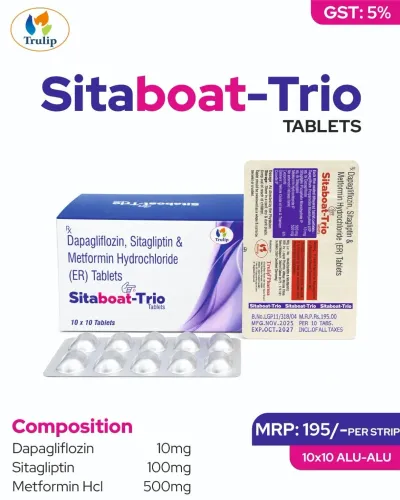
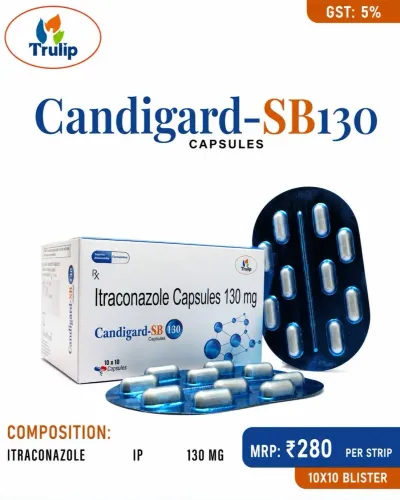
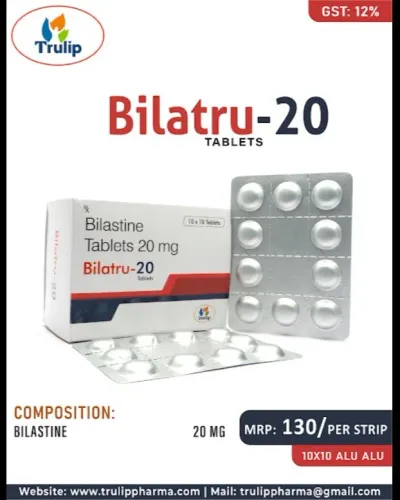
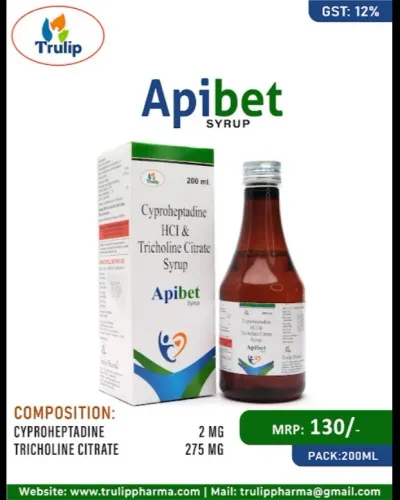
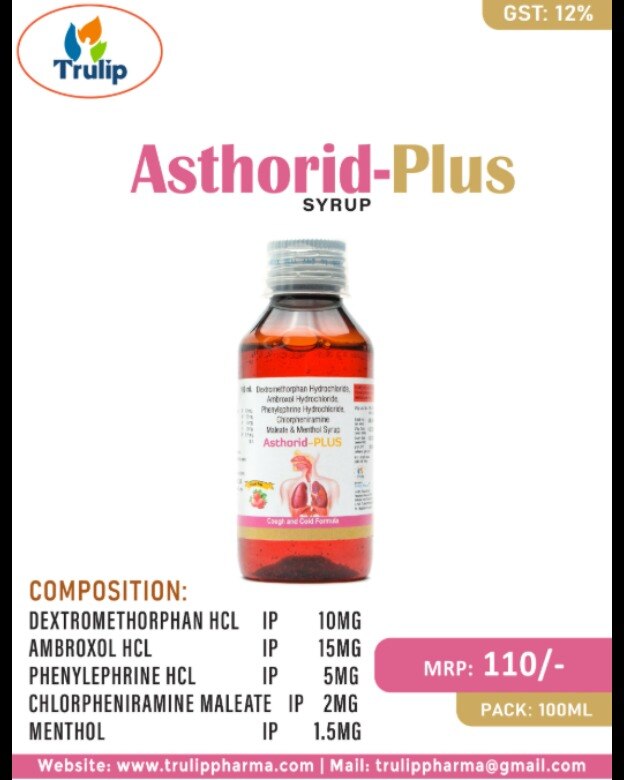
A proposal from Trulip Pharma deserves the same test: compare its written replacement and territory terms against competing offers, not against an informal promise. Record promotional spend, licence or registration costs and expected reorder value before accepting the stated margin.
Use a pilot order and written agreement to test execution
Place a sample order large enough to test normal operations, not merely receive promotional samples. Measure delivery time, order fill rate, batch and expiry details, packaging condition, invoice accuracy, replacement response, and landed cost per saleable unit; a low minimum order quantity is useless if stock arrives short-dated or fragmented across slow-moving SKUs.
| Pilot check | Evidence to record | Warning sign |
|---|---|---|
| Supply execution | Ordered versus delivered units, dispatch date, freight charge, and stock-out explanation | Repeated shortages or unexplained substitutions |
| Product control | Batch-specific Certificate of Analysis, expiry, seal condition, and approved artwork | Missing batch results, damaged packs, or short remaining shelf life |
| Service response | Written answer to a quality complaint and defective-stock replacement request | Sales staff cannot identify an accountable quality contact |
| Safety handling | Adverse-event reporting contact, minimum information, and escalation route | Pharmacovigilance is left to the field representative |
Do not sign on catalogue promises. The agreement must identify the licence holder, actual manufacturer, contract manufacturer, marketer, and franchise partner, then assign responsibility for complaints, pharmacovigilance, batch documentation, replacement freight, credit notes, and stock-outs.
Define the product recall procedure in writing: who authorises it, who notifies distributors, how affected batch numbers are traced, who pays collection and replacement costs, and the response deadline. Include territory terms, forecast and minimum-order rules, expiry-return limits, and termination rights. A successful pilot tests execution; the agreement preserves it.
Frequently asked questions
How should you score PCD pharma manufacturers before requesting quotations?
Create a 100-point scorecard with weighted criteria such as licensing, quality evidence, portfolio fit, product economics, supply performance, and commercial support. Give points for documents and verifiable records, not claims such as best or reliable.
Which company and licence documents should you verify?
Check the legal company name, Form 20B wholesale or manufacturing licence details, licence holder, registered address, and actual manufacturing site. Confirm that the quotation and agreement identify the same legal entity responsible for supply.
What product evidence should you compare between manufacturers?
Request product-specific evidence such as composition, strength, dosage form, batch details, shelf life, storage conditions, test reports, and packaging information. Compare whether each product has the documentation needed for lawful distribution and practical use.
How can you make PCD pharma quotations comparable?
Convert every quotation into a landed cost by recording pack size, quantity, taxes, freight, minimum order quantity, payment terms, expiry at delivery, promotional goods, replacement policy, and territory commitments. Test the supplier with a documented pilot order before signing a longer agreement.