A promising catalogue does not tell you who manufactures each batch, what your landed cost will be, or whether your territory is protected by a binding clause. Use the questions below to test documents, supply terms, quality controls and exit rights before you transfer money or accept stock.
Key takeaways
- Ask for the Form 20B or 21B licence and verify the manufacturing-site address.
- Demand batch-specific certificates of analysis, stability data and adverse-event reporting contacts.
- Calculate minimum order, freight, credit, expiry returns and payment costs before committing.
- Put territory exclusivity, targets, termination and unsold-stock terms in the agreement.
What should you verify about the company, site and product permissions?
Start by asking for the company’s full legal name, registered address, GSTIN, exact manufacturing-site address and the manufacturer name printed on each carton. Match that legal name across the manufacturing licence, carton, invoice and proposed agreement; a marketing company is not automatically the licensed manufacturer.
1. Request a copy showing the manufacturing licence number, approved dosage forms and product categories. For ordinary formulations, verify the site’s Form 25 licence. For products in Schedules C and C(1), verify the applicable Form 28 licence in India. A licence for one site or dosage form does not cover another.
2. If production is outsourced, ask for the loan-licence documents, such as Form 25A or Form 28A, and record the actual manufacturing premises. Ask whether the company owns the products or markets them under a loan licence or third-party supply arrangement.
3. For every SKU, request the product-specific permission, approved composition and label proof. Check Schedule H, H1 or X controls, including prescription wording and required sale records.
4. Ask who owns the trademark, product dossier, composition and artwork, and what happens to stock and promotional material after termination.
5. Before paying an advance, obtain current GMP evidence, revised Schedule M compliance status, latest inspection observations or corrective-action status, plus the written recall and traceability procedure. Ask for the latest mock-recall result showing batch quantities, customers, remaining stock and returned stock. A certificate without the site, scope or date proves little.
What quality and safety records should you demand for each product?
Before approving an opening order, demand a batch-specific certificate of analysis and approved finished-product specification. Check the test method, pharmacopoeial or approved standard, assay range, dissolution result where relevant, microbial limits, actual batch result and authorised approval—not a statement that the batch “passes”.
Request ICH Q1A(R2) stability evidence supporting shelf life and storage, including long-term, accelerated and intermediate conditions. Ask whether relabelling or packing at another site changes expiry dating.
- For refrigerated products, request storage-area temperature mapping, calibrated temperature-device records, transport qualification and the written temperature-excursion procedure.
- Demand the latest mock-recall result. Batch and invoice records must identify quantities made, customers supplied, stock remaining and returned stock.
- Obtain the named pharmacovigilance contact and a written workflow for adverse drug reactions, medication errors, quality complaints and suspected counterfeit packs. It must state reporting timelines, minimum case information, escalation responsibility and record retention.
- Ask who investigates a failed batch, who pays for testing, and whether the remedy is replacement, credit note or recall instruction.
| Record | What to verify | Warning sign |
|---|---|---|
| Stability | Shelf-life data match the labelled storage condition | Accelerated data only |
| Recall | Mock recall finds customers, quantities and returned stock | Staff rely on memory |
| Cold chain | Mapping, calibration and transport evidence | “Cold box” is the only proof |
| Safety reporting | Named contact and documented escalation | Sales staff judge medical significance calc loosely |
Which order, price and payment questions reveal your real investment?
A single margin percentage hides the cash you must commit. Request a SKU-by-SKU commercial sheet showing minimum order quantity, opening order value, case-pack quantity, reorder threshold and whether you may mix SKUs within a case or shipment.
- Separate the product rate from GST treatment, freight and insurance charges, loading charges, promotional materials, and distributor or transport fees. Ask whether the rate uses MRP, trade price or net rate.
- Ask how Drugs (Prices Control) Order price ceilings and NPPA revisions will change MRP, trade price and margin. Confirm the minimum remaining shelf life at dispatch.
- Put near-expiry returns, manufacturing-defect recalls, damaged cartons and expiry-related losses in writing. Specify eligibility, reverse logistics, destruction evidence, responsibility for recalled stock and credit-note timing.
- Confirm who corrects an invoice mismatch, how quickly disputes are acknowledged, and whether undisputed amounts remain payable during investigation.
Payment terms expose the real investment:
| Option | Confirm before signing | Risk to you |
|---|---|---|
| Full advance | Accepted payment methods, invoice timing and refund or credit process | Cash is committed before dispatch |
| Part advance | Advance percentage and balance due date | The balance can become payable before inspection |
| Cash against delivery | Delivery trigger and freight collection method | Refusal can still create transport costs |
| Approved credit | Credit limit, due date, late-payment charge and bounced-payment consequence | A reduced limit can disrupt reorders |
Have the company show a sample pro forma invoice, tax invoice, freight calculation and credit note before commitment.
What must the territory and franchise agreement say before you sign?
Your PCD franchise agreement must describe the territory with the same precision you used during negotiations.
| Territory wording | What it covers | Risk if vague |
|---|---|---|
| State | All listed districts in that state | Another distributor may claim an excluded district |
| District | One named district | Nearby towns may fall outside protection |
| Pin-code cluster | Every listed pin code | Unlisted delivery areas remain disputed |
| Named account list | Specific hospitals, pharmacies or institutions | The company may reserve or reassign accounts |
Define “exclusive territory” in writing. State whether the company may appoint another distributor, sell directly to hospitals or online buyers, reserve key accounts, or supply neighbouring territories.
List the conditions for retaining the area and identify who makes the decision:
- Minimum purchases or sales activity
- Payment performance and reporting
- Measurement period and evidence used
- Cure period before loss of territory
Check the agreement’s duration, renewal process, termination triggers, termination notice period and breach cure period. Do not accept a clause allowing price, product, territory or target changes without your written consent.
Name the owner of the trademark, product dossier, artwork, customer data and promotional material, including what happens after termination. The post-termination stock clause must specify eligible batches, remaining shelf life, return deadline, reverse freight, credit-note timing, recalled or damaged-stock destruction and destruction evidence.
Also state how invoices, disputed claims, incentives, security deposits and replacement goods are settled. “Monopoly” is a commercial promise, not regulatory exclusivity. Have an independent lawyer review the actual clauses before signing.
How should you test the company’s support before choosing a partner?
A company’s support is credible only when it gives you named people, written response times and sample records before you place an order. Treat this as pharma franchise support, not an informal promise from a salesperson.
Ask for:
- Commercial, order-desk, quality and pharmacovigilance contacts, with response times for stock shortages, complaints and urgent replacements.
- The sales-support calendar covering product training, visual aids, doctor-visit materials, digital artwork, sample controls and distributor reporting.
- The quality complaint procedure, including escalation steps and case-file ownership.
- Written confirmation that promotional claims match the approved composition, label and product permission.
| Support test | Evidence to request | Failure signal |
|---|---|---|
| Stock shortage | Response deadline and replacement plan | “We will check” |
| Batch rejection or recall | Escalation record, traceability report and credit terms | No named decision-maker |
| Counterfeit complaint | Pharmacovigilance and quality workflow | Sales staff handle it informally |
| Sudden price revision | Notice period and agreement clause | Immediate unilateral change |
For PCD partnership due diligence, score every company against the same evidence:
- Licence and site match, product permissions, batch documents and stability support.
- Landed cost, territory protection, expiry terms, credit exposure and exit rights.
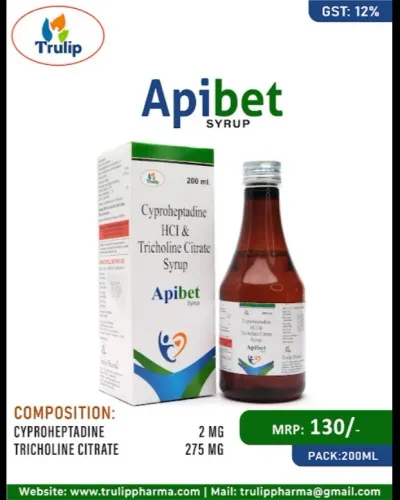
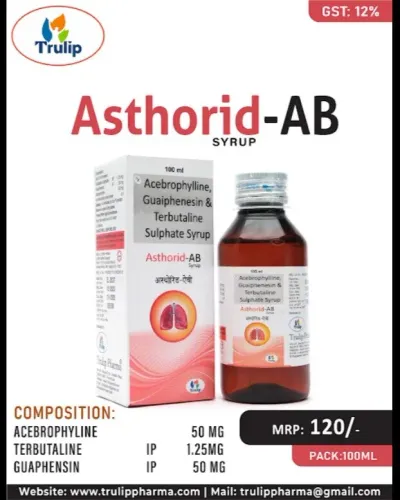
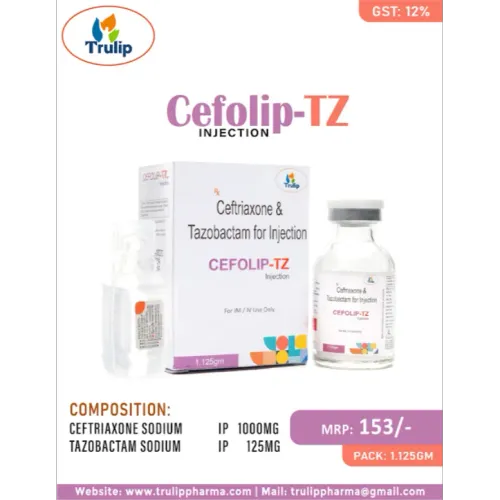
Question Trulip Pharma against this checklist: identify the actual manufacturer for every SKU, provide applicable documents, explain order and territory terms, and put each promise into the agreement. Choose only when written answers match the documents and the agreement matches the offer.
Frequently asked questions
What company and licence details should you verify before a PCD pharma partnership?
Request the company’s full legal name, registered address, GSTIN, exact manufacturing-site address and manufacturer name on each carton. Match these details across the manufacturing licence, carton, invoice and proposed agreement. Ask for copies of the Form 20B or Form 21B licence, as applicable, and confirm that the licence covers the named products and site.
What quality and safety records should you request for each medicine?
Ask for the product’s batch number, certificate of analysis, manufacturing date, expiry date, test specifications, storage conditions and approved composition. Confirm the manufacturer’s batch-release process, stability data, complaint procedure, recall process and adverse-event reporting contact. Check that the carton, package insert and certificate identify the same manufacturer and composition.
Which order, price and payment questions reveal the real franchise investment?
Ask for the minimum order quantity by product, price list, GST treatment, freight charge, transport insurance, payment schedule, credit terms and replacement policy for damaged or short-delivered goods. Calculate the cost of samples, promotional materials, stock holding, expiry risk and unsold inventory instead of comparing only the printed product price.
What must the territory and PCD franchise agreement include?
The agreement should name the territory, define exclusivity, identify reserved customers and online sales rights, and state sales targets with consequences for missing them. It should also specify product pricing, payment terms, renewal, termination notice, dispute venue, intellectual-property use, expiry returns, damaged goods and the treatment of unsold stock after termination.
How can you test a pharma franchise company’s support before choosing it?
Ask who handles orders, complaints, recalls and regulatory questions, then test the response with specific questions. Request a sample invoice, product dossier, promotional material, delivery timeline and complaint acknowledgement. Speak with existing distributors about stock availability, replacement speed, communication and whether promised territory protection operates in practice.