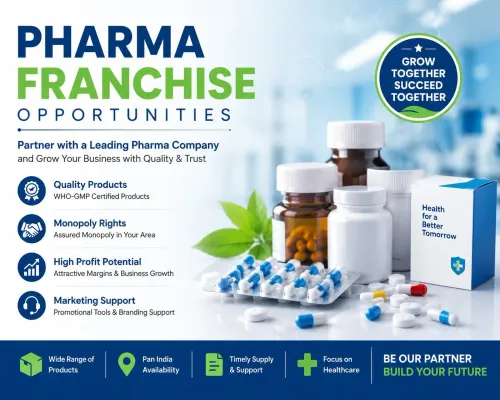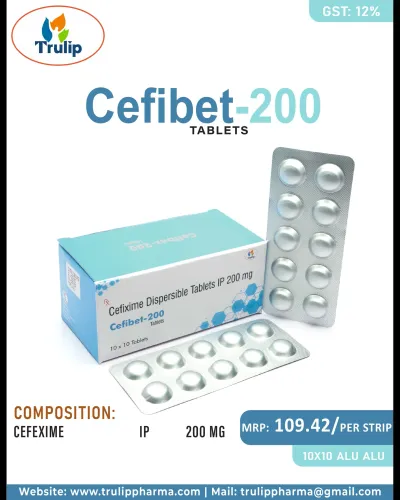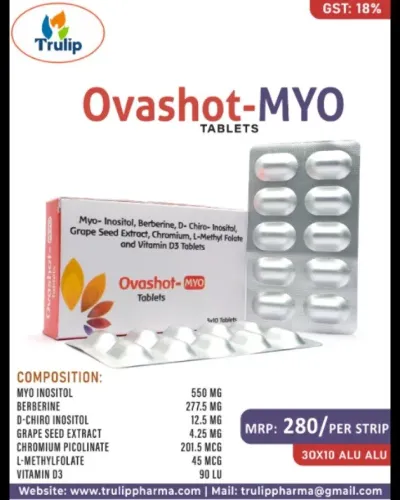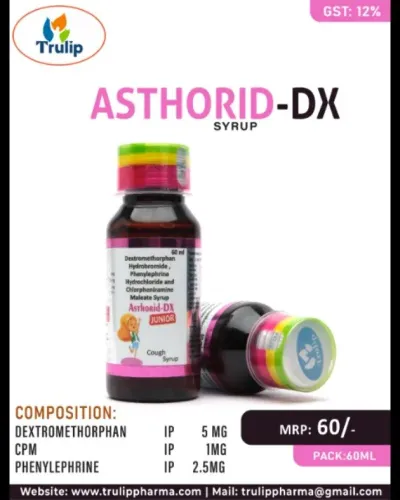
A low purchase price does not make a PCD partnership safe or profitable if the manufacturer, product permissions, territory terms and replacement obligations remain unclear. By the end, you will have a document checklist, a product-testing method and a commercial framework for deciding whether to sign, renegotiate or walk away.
Key takeaways
- Match company, GSTIN, licence holder and brand owner across every document.
- Ask for samples, batch records, invoices and traceability evidence before ordering.
- Calculate margin after freight, expiry losses, credit and territory demand.
- Write monopoly rights, supply duties and complaint timelines into the agreement.
Verify the Company, Licence Holder and Manufacturing Authority
PCD pharma franchise due diligence starts with matching the company name, registered address, GSTIN, authorised signatory and brand owner across the proposal, agreement, invoice and product label. Any mismatch needs a written explanation before you discuss an opening order.
Request these documents and compare every name, address and product detail:
- Current GST registration certificate showing the legal entity and registered address.
- State drug-control manufacturing licence showing the licensed premises, dosage forms and validity.
- Product-wise permission or licence details for each proposed medicine.
- GMP certificate and, where relevant, a Certificate of Pharmaceutical Product.
- Current product list identifying composition, dosage form and manufacturing site.
- Trademark ownership record or a documented right to use each proposed brand.
- Evidence of Schedule M controls: sanitation, equipment qualification, production and laboratory controls, validation, complaints and recalls.
| Document | What to match | Failure risk |
|---|---|---|
| Licence | Manufacturer, premises, dosage form and product | Unauthorised manufacture |
| Label | Legal manufacturer and licence holder | Misidentified quality responsibility |
| Agreement and invoice | Marketer, seller and authorised signatory | Weak enforcement and payment disputes |
Manufacturer, marketer and licence holder are not automatically the same entity. In a third-party or loan-licence arrangement, name each role in the agreement, identify the legal manufacturer responsible for quality, and ensure its name appears correctly on the label and its licence covers that product and dosage form.
An ISO 9001 certificate does not replace pharmaceutical GMP or Schedule M compliance. Stop if the supplier will not provide drug manufacturing licence verification documents, the GMP certificate or brand-use evidence.
Test Product Quality With Samples, Records and Traceability
A catalogue cannot prove saleability; obtain physical packs from the proposed commercial batch and repeat the check on replenishment stock. A pharmaceutical quality check begins with the label, not the sales presentation.
- Confirm composition, strength, dosage form, pharmacopoeial standard, batch number, manufacturing date, expiry date, MRP, storage instruction, tamper evidence, package insert and complaint contact.
- Request a batch-specific COA and match its batch number to the sample. Review the test methods, specifications, actual results, analyst approval and laboratory authorisation.
- Demand dissolution testing for tablets and capsules; an acceptable assay alone does not prove release performance.
- Request a stability study pharmaceutical products were given in the intended packaging and storage conditions, covering long-term, accelerated or intermediate testing where applicable. Check for 25°C/60% RH or 30°C/65% RH long-term data and 40°C/75% RH accelerated data under the applicable framework.
| Evidence | What it proves | Warning sign |
|---|---|---|
| Batch-specific COA | Results belong to your inspected stock | Batch number differs or results are generic |
| Stability records | Shelf life suits the pack and storage conditions | No packaging-specific data |
| Repeat samples | Quality remains consistent between batches | Attractive first sample, weak replenishment |
For injectables, ophthalmics and sterile powders, ask for environmental-control records, aseptic-process validation, media fills, personnel qualification and container-closure integrity. Finished-product sterility testing samples only part of a batch.
Check Schedule H, H1 or X labelling and reject promotion that presents prescription medicines as ordinary over-the-counter products. Require traceability from each case to batch, dates and distribution records, including segregation and documented return or destruction of recalled or expired stock.
Compare the Real Margin With Territory Demand
A portfolio earns a workable return only when local demand covers its landed cost, competition and unsold stock. Record the PCD pharma franchise profit margin, then verify PTR and PTS pharma figures against the actual price charged to retailers and distributors.
| Term | Compare | Why it matters |
|---|---|---|
| Product margin | Stated margin versus net margin after discounts | Reveals the usable return |
| PTR and PTS | Product trade rate and stockist rate | Exposes channel economics |
| Minimum order quantity pharma | Units or cases per product | Shows cash tied in slow movers |
| Opening order value | Required first purchase | Sets entry exposure |
| Credit period | Written days from invoice date | Exclude verbal credit |
| Freight | Paid by supplier or partner | Add it to landed cost |
| GST treatment | Tax included or charged separately | Prevents inflated margin |
| Expiry replacement | Time limit and credit or replacement method | Protects against dead stock |
| Damaged-stock replacement | Proof, reporting deadline and settlement | Limits transit losses |
| Price revision rules | Notice period and treatment of old stock | Prevents margin erosion |
Check every proposed MRP against the applicable NPPA ceiling price and notification. Scheduled formulations also restrict price increases and require price-list communication; an MRP that breaches the ceiling cannot support a genuine margin.
Test demand product by product. Ask prescribers and retailers which respiratory, paediatric, allergy and reproductive-health categories move; list competing brands and generic substitutes, compare patient prices, identify treatment gaps and map seasonal demand. Confirm access to relevant clinics, pharmacies and stockists.
For the small group you will sell, request current specifications, batch COAs, approved artwork, lead times and replenishment history. Model slower movement, one delayed replenishment and stock nearing expiry. Reject projections based on unconfirmed MRP, undocumented credit or unsupported sales volume.
Put Monopoly Rights and Responsibilities in the Agreement
Do not pay for stock or promotion until the PCD monopoly rights agreement defines your exclusive pharma territory by named districts, pincodes, or an attached map. State whether protection covers retail pharmacies, hospitals, government tenders, online sellers, sub-distributors, and institutional accounts.
Your pharma franchise agreement terms should specify:
- Exclusivity duration and renewal procedure
- Minimum sales target and permitted competing brands
- Lead ownership and account-allocation rules
- Breach conditions, cure period, and termination rights
- Complaint handling, recall authority, replacement or credit, and responsibility for retrieval costs
- The authorised signatory, governing legal entity, invoice issuer, and company responsible for quality claims
Separate the commercial promise from regulatory authority. A drug licence authorises specified products and premises; it does not stop the supplier appointing another distributor. A representative’s verbal promise of monopoly rights has no comparable protection.
Compare these two protections before signing:
| Protection | What it covers | What it does not prove |
|---|---|---|
| Commercial exclusivity | Territory, channels, duration, competing brands, and account rights | Product approval or manufacturing authority |
| Regulatory authorisation | Licensed premises, dosage forms, and product permissions | Ownership of your territory or brand |
The contract should state who receives an account if another distributor is appointed nearby, whether you receive credit or compensation, and how existing stock is returned or sold.
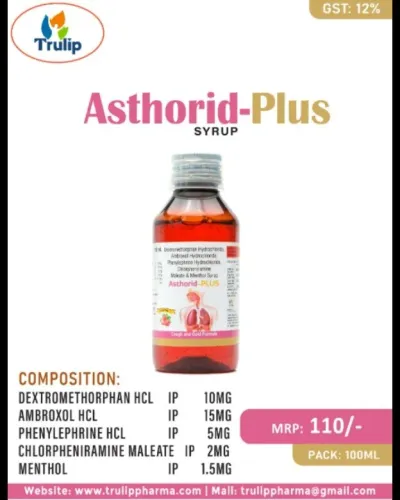
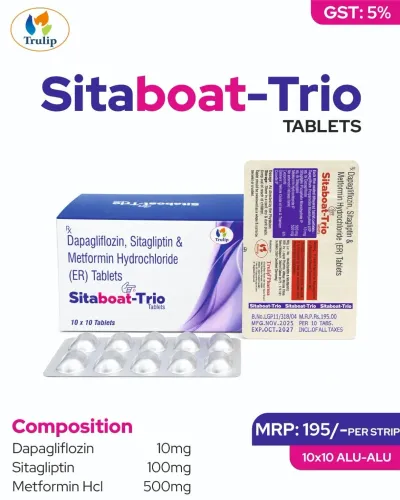
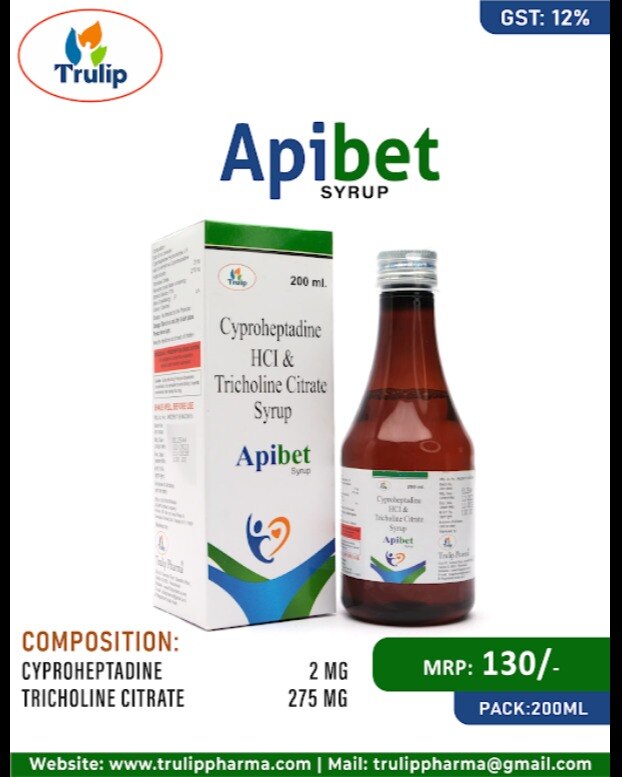
Complete pharmaceutical trademark verification before paying for artwork, visual identity, promotion, or inventory. Check ownership or a documented right to use the proposed brand; a trademark filing is class-specific and does not prove drug approval. Apply this checklist to Trulip Pharma by requesting exact licence, product, trademark, and territory documents, not relying on website statements.
Stress-Test Complaints, Recalls, Storage and the Final Decision
A supplier proves its value after a complaint, not after a successful opening order. Use this pharma franchise due diligence checklist before signing.
1. Require a written pharma product recall process naming the complaint contact, adverse event reporting pharmaceutical escalation route, response time, batch-investigation steps, recall decision-maker and replacement or credit procedure. State who pays for retrieval, transport, replacement and disposal, and how affected stock is traced across territories.
2. Ask the stockist to show how recalled and expired products are segregated, labelled and recorded. Require return receipts, destruction certificates and batch-level distribution records; inability to trace a case from batch number to territory is a serious control failure.
3. For temperature-sensitive products, write the validated storage and transport range into the agreement. Assign temperature-monitoring responsibility, require temperature excursion handling, provide access to data-logger records and define who decides whether exposed stock remains usable. A refrigerator at your premises cannot prove compliant transport.
4. If performance depends on bioavailability or bioequivalence, request the supporting study or regulatory approval basis. An “equivalent” claim is not evidence; ask for defined measures such as AUC and Cmax.
Score document completeness, sample consistency, traceability, commercial viability, written territory protection and response readiness. Sign only when every critical gap has an owner and deadline in writing. Refusal to share licences, batch records, quality evidence or enforceable replacement and territory terms is a partnership risk, not a paperwork inconvenience.
Frequently asked questions
Which company details should you verify before a PCD pharma franchise partnership?
Match the company name, registered address, GSTIN, authorised signatory and brand owner across the proposal, agreement, invoice and product label. Request the relevant manufacturing or sale licence copy and a written explanation for every mismatch.
How can you test the quality and traceability of PCD pharma products?
Inspect samples for the batch number, manufacturing date, expiry date, licence details, storage instructions and intact seal. Ask for batch records, invoices and documents showing which licensed manufacturer produced the medicines.
How should you calculate the real margin in a PCD pharma franchise?
Subtract freight, taxes, credit costs, promotional expenses, expiry losses, damaged stock and collection time from the expected selling price. Compare the result with demand from doctors, pharmacies, distributors and your proposed territory.
What should a PCD pharma franchise agreement say about monopoly rights?
Name the territory precisely, define whether the rights are exclusive, state the company’s supply and stock responsibilities, and explain what happens if either party breaches the agreement or fails to meet its commitments.
What should you check about complaints, recalls and storage before deciding?
Confirm who receives quality complaints, the response deadline, recall instructions, replacement or credit terms, transport conditions and storage requirements. Proceed only when responsibilities and records are clear enough to test in writing.